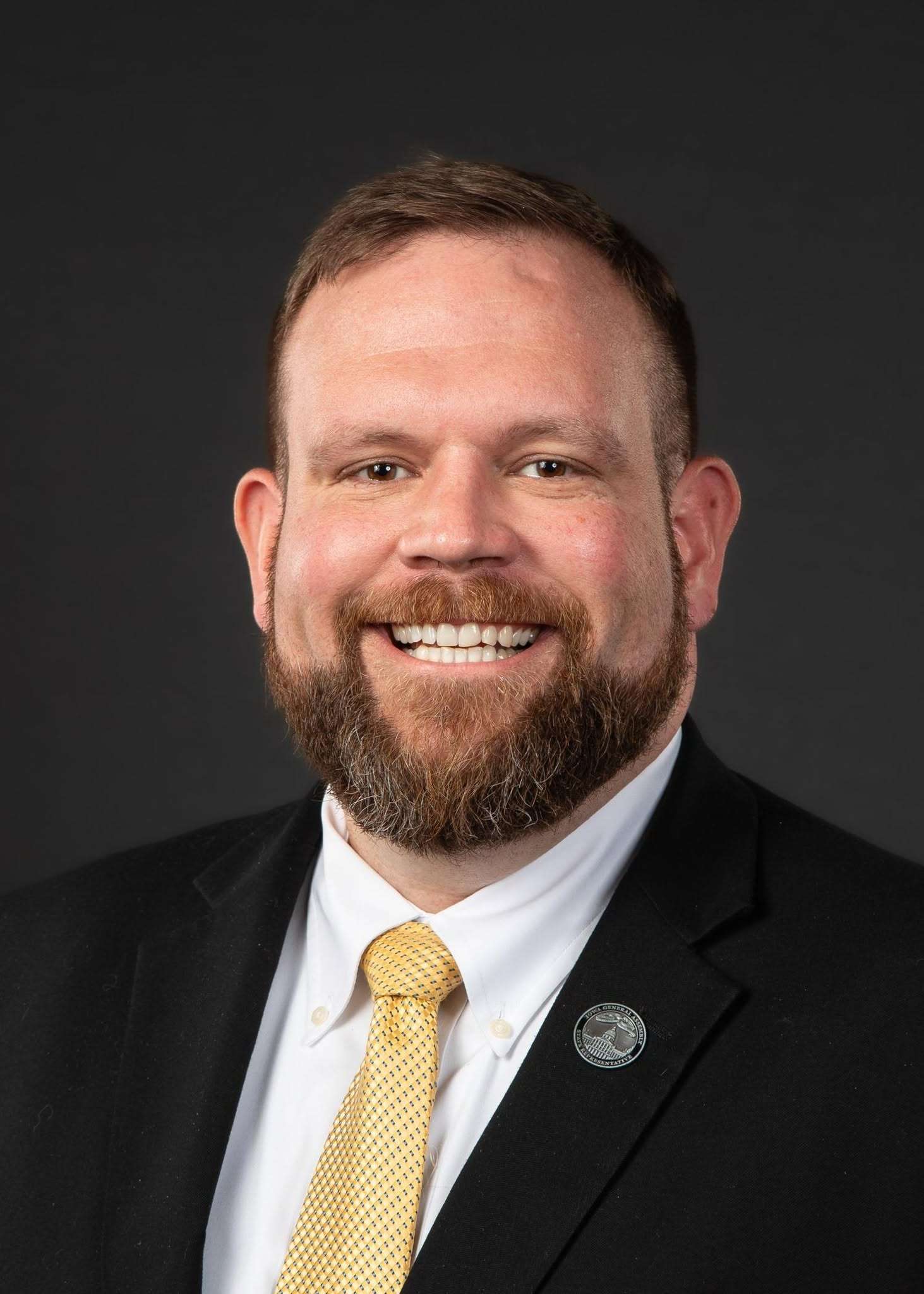
Republican incumbent Matt Rinker is facing Democratic challenger Jennifer Kirkman for the District 99 seat in the Iowa House of Representatives. The Burlington Beacon provided each candidate with a list of questions. Below is the full text of the responses submitted by Rinker. (Kirkman's responses are in a separate post.)
Matt Rinker (R)
1. What are your top three legislative priorities, and what action will you take to address them?
A. Housing Affordability
1. Make qualified down payment savings accounts tax-deductible.
2. Continue to grow trade labor training and CTE programs across the state. This will grow the availability of the skilled labor market and lead to better new housing affordability.
3. Provide local entities with the tools necessary to incentivize housing rehabilitation and revitalization of existing homes and reduce the cost of new home construction.
B. Healthcare Access and Affordability
1. Iowa ranks 2nd in the country when it comes to access to healthcare, but we continue to struggle to recruit healthcare specialists. To combat this access issue, I’d like us to continue to grow the number of state-funded residency programs from 125 to 250 specifically for pediatrics, women’s health, and mental healthcare. This increase would add more than 500 new specialists to our communities over the next four years, and even more in future years.
2. Affordability of healthcare is a going challenge and can really only be addressed through rate revisions of private health insurance providers. Medicaid and Medicare rates are set off private rates, and Iowa ranks the lowest among Midwest states when it comes to reimbursements. I have in the past, and will continue to in the future push for higher reimbursements, which will take the pressure off of patients picking up a higher amount of their medical expenses.
C. Infrastructure
Supporting Iowa’s growing infrastructure needs at the state level is a critical part of lowering the property taxes of Iowans. Everything from public safety to water quality are vitally important to both the health and the quality of life for all Iowans. The state has historically contributed to these needs, and we need to continue to increase that support; otherwise in the future the burden will continue to impact the household budgets of everyday Iowans more and more.
2. What do you see as the biggest economic challenge facing Burlington and southeast Iowa, and what can the state legislature do to address it?
As the second-largest agricultural exporter in the country, Iowa’s economy is significantly impacted by many of the variables that we can’t control. Variables like weather, federal tariffs, and economic trends in other countries have significant impacts on Iowa’s agricultural community, and I think the primary role of government should be to create the best possible environment for our economy to succeed. Investing in policies like work force training, K-12 education, incentivizing job creation, and maintaining a competitive tax environment are all key parts to having a strong economy.
3. How should Iowa balance funding for public schools with state-funded private school tuition assistance?
Public schools receive on average $24,000 per Iowa student, and over half of the state budget goes to education. Of the overall budget, less than 3 percent goes to ESA, and more than 40 percent goes to public education. I believe this balance is appropriate, and it continues to highlight how important Iowa’s public education system is.
4. What role should the state play in decisions made by local school boards, particularly regarding curriculum, library materials, and student policies?
I believe the State of Iowa’s role should be to support students, parents, and educators any way possible. There are some policies that need to be set statewide, like funding, curriculum, and some policies when the district needs assistance, but other than that decisions need to be decided at the local level.
5. What should be done to improve access to healthcare in southeast Iowa, especially for residents who must travel outside the area for specialists or certain services?
As outlined in question #1 we need to grow our healthcare workforce and focus on making sure private health insurance is picking up their share of healthcare cost.
6. What improvements are needed in Iowa's mental health and substance-use treatment systems and how would any additional or expanded services be funded?
a. We need better and broader access to mental health resources across the state. Across the state, there are a number of open beds for people who need services; the problem is that not all of those beds can accommodate individuals who are violent, or under the age of 18, or need help with narcotics use. Ee need to simplify this access, and we need to make sure that we can care for all Iowans.
7. What should the state legislature do to better understand and address Iowa’s high cancer rates?
In 2026, we took what I think are some of the first great steps in working to address this crisis. The creation of the Cancer Consortium at the University of Iowa, the investment into pediatric cancer research, the new radon mitigation laws, and removing preauthorization requirements for pediatric cancer screenings are just a few of the many policy changes that will go to address this issue.
8. What policies would you support to improve water quality in Iowa's rivers and streams?
In 2026, the state passed the Clean Water Act, which will invest hundreds of millions of dollars into Iowa's clean water program across the state. These dollars will support water treatment facilities, drainage assistance programs, and facilitate the construction of dozens of new clean water wells across the state to make sure Iowans have access to clean water. While this investment will help us take a big step forward, we will need to continue to invest in these types of programs into the future.
9. How should the state legislature help local governments manage rising costs and maintain essential services while addressing concerns about property taxes?
A. Step forcing unfunded mandates on local communities without also providing the financial resources necessary to address the issue.
B. Promote local growth so they can grow their tax base rather than being forced to grow their tax rates.
C. The state should assume a larger percentage of the education and public safety costs across the state. This would provide significant relief to the property tax payers without cutting vital local services.
10. Is there a position or policy supported by your party that you would approach differently? What would you change, and why?
Yes, I have voted against my party numerous times over the last four years. Issues like healthcare, education, tax policy, and agriculture have all come up in a way that I didn’t believe was in the best interest of my district, and as a result, I didn’t support it.
11. Which issue do you believe offers the greatest opportunity for bipartisan cooperation and why?
I believe that there is bipartisan cooperation on most of the bills that come up. In fact, of the roughly 200 bills passed in the Iowa House, all but 20 or so received bipartisan support. These bills made progress on dozens of issues, and they received bipartisan support because they are good for Iowa.
12. What are the key factors voters should consider when choosing a candidate, and why should voters choose you over your opponent?
I believe I’m the best candidate because I’m prepared. I’m a father, husband, veteran, small business owner, former city councilman, current state legislator, and community volunteer, and I believe all of these roles have prepared me for the role of legislator. In the last four years as the Iowa House District 99 Representative, I’ve gotten policy passed that has strengthened our schools, given law enforcement more tools to combat crime, and improved the way we treat our veterans while also cutting taxes and bringing in thousands of new high-paying jobs. I believe my record speaks for itself, and I have always and will always prioritize my district above all else. That’s why I am asking for people to vote.